
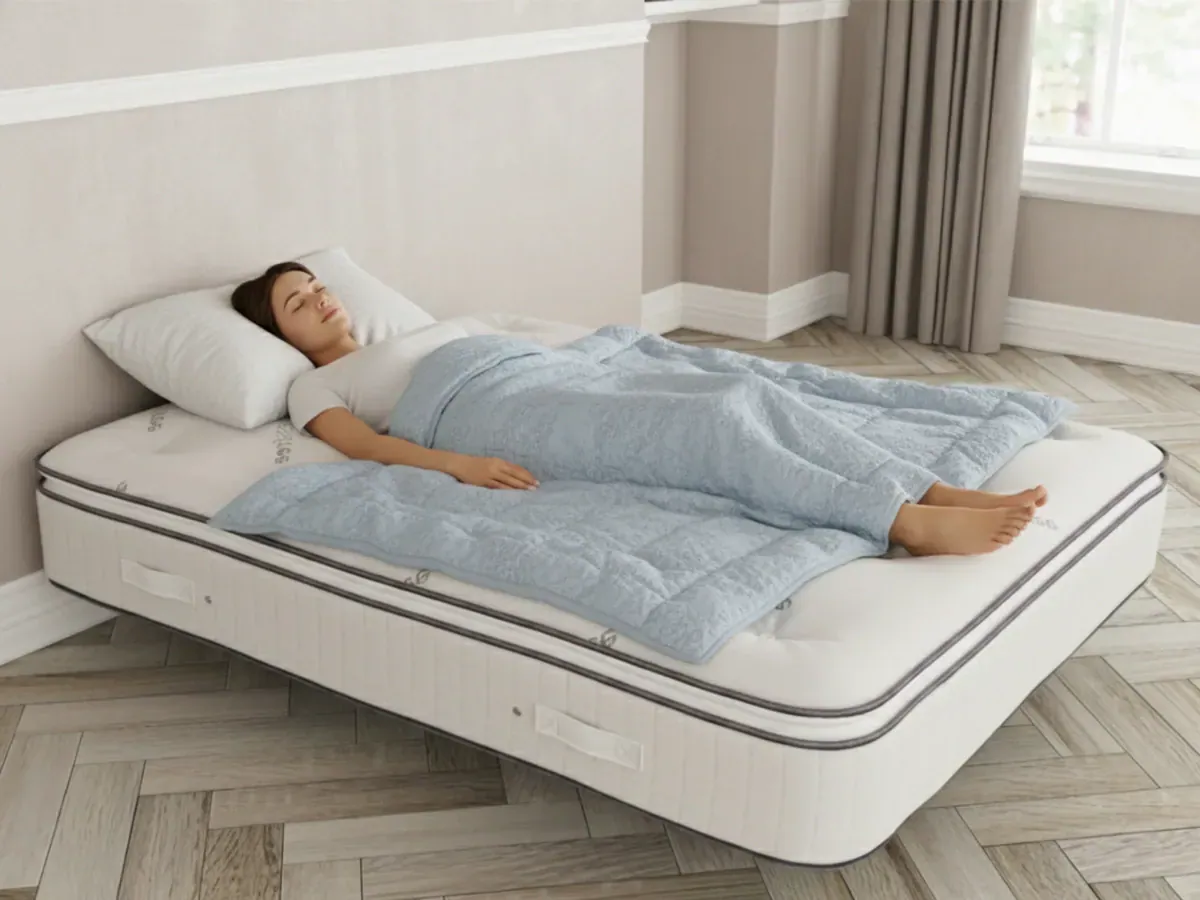
A good night's sleep does far more than help you rest; it supports your spinal health, improves your posture, and boosts your overall wellbeing.
However, finding the best mattress for optimal posture and spine support can be challenging, especially with the numerous options available.
At The Bed Village Yorkshire, we believe the right quality mattress isn't just about comfort, it's an investment in your body's long-term health. Here's how the perfect mattress can transform your sleep posture and spinal alignment.
Why Posture and Spinal Health Start with Your Mattress
Many people think posture correction is all about standing straighter or sitting upright at a desk. But what happens during your eight hours of sleep plays just as significant a role in maintaining a healthy spine. An unsupportive mattress can cause your spine to sag, muscles to stiffen, and lead to long-term pain. On the other hand, a spinal health mattress supports your natural curvature, ensuring your body rests in a neutral, balanced position. When your spine is aligned correctly during sleep:- You reduce pressure on your back and joints.
- Your muscles can recover more efficiently.
- You wake up without stiffness or soreness.
What Makes a Quality Mattress?
A quality mattress should be comfortable, supportive, and durable, typically lasting between eight and ten years when properly cared for. It should retain its structure without sagging or letting you feel the bed frame underneath. When choosing a mattress for posture and spinal support, consider these three qualities:- Support: Keeps your spine aligned from head to toe.
- Comfort: Adapts to your body's contours without creating pressure points.
- Durability: Retains shape and structure even after years of use.
Mattress Types That Support Good Posture
1. Orthopaedic and Coil Mattresses for Posture Correction
If you tend to slouch or struggle with poor posture, an orthopaedic mattress or a traditional coil-spring mattress may be ideal for you. These offer a firmer surface that helps maintain your back in the correct angle while you sleep, training your muscles to stay aligned. Recommended Option: Orthopaedic Spring Mattress – A reliable choice for posture correction, offering solid back support and excellent spine alignment for all sleeping positions.2. Memory Foam Mattresses for Spinal Health and Comfort
If you often experience lower back pain or stiffness, a memory foam mattress might be your best option. Designed to contour to your body shape, it supports your natural spine curvature while reducing pressure points. A memory foam mattress for posture is perfect for maintaining balance between softness and support, ideal for those who want comfort without compromising spinal alignment. Top Picks from The Bed Village Yorkshire:- Deluxe Pillow Top Mattress – A plush design with memory foam layers for comfort and pressure relief.
- Deluxe Orthopaedic Mattress – A hybrid coil mattress with memory foam to support both firmness and contouring.
- 2000 Pocket Mattress – Offers targeted support to key areas of your spine for optimal posture correction.
How a Good Mattress Improves Your Sleep Posture
Sleeping on a mattress designed for spinal support encourages your body to rest in a natural alignment. Over time, you'll notice improvements in:- Posture: A healthy spine position, both awake and asleep.
- Circulation: Even weight distribution prevents numbness and tension.
- Comfort: Reduced tossing and turning from pressure build-up.
- Energy: Better recovery during deep sleep leads to feeling refreshed.
Is Memory Foam Good for Your Back?
Yes, memory foam mattresses are one of the best choices for spinal alignment. They adapt to your body's natural shape, keeping your spine in a neutral position while cushioning the shoulders and hips. If you experience lower back pain or tightness after sleeping, upgrading to a memory foam or hybrid posture mattress can help alleviate discomfort and promote long-term spine health.Choosing the Best Mattress for Posture Support
When deciding on the best mattress for posture, consider the following:- Sleeping Position: Side sleepers may prefer medium-firm memory foam, while back sleepers benefit from firmer orthopaedic support.
- Body Weight: Heavier individuals typically require firmer mattresses to prevent sinking, while lighter sleepers may need softer surfaces for greater comfort.
- Personal Preference: Always choose a mattress that feels supportive yet comfortable to you.