
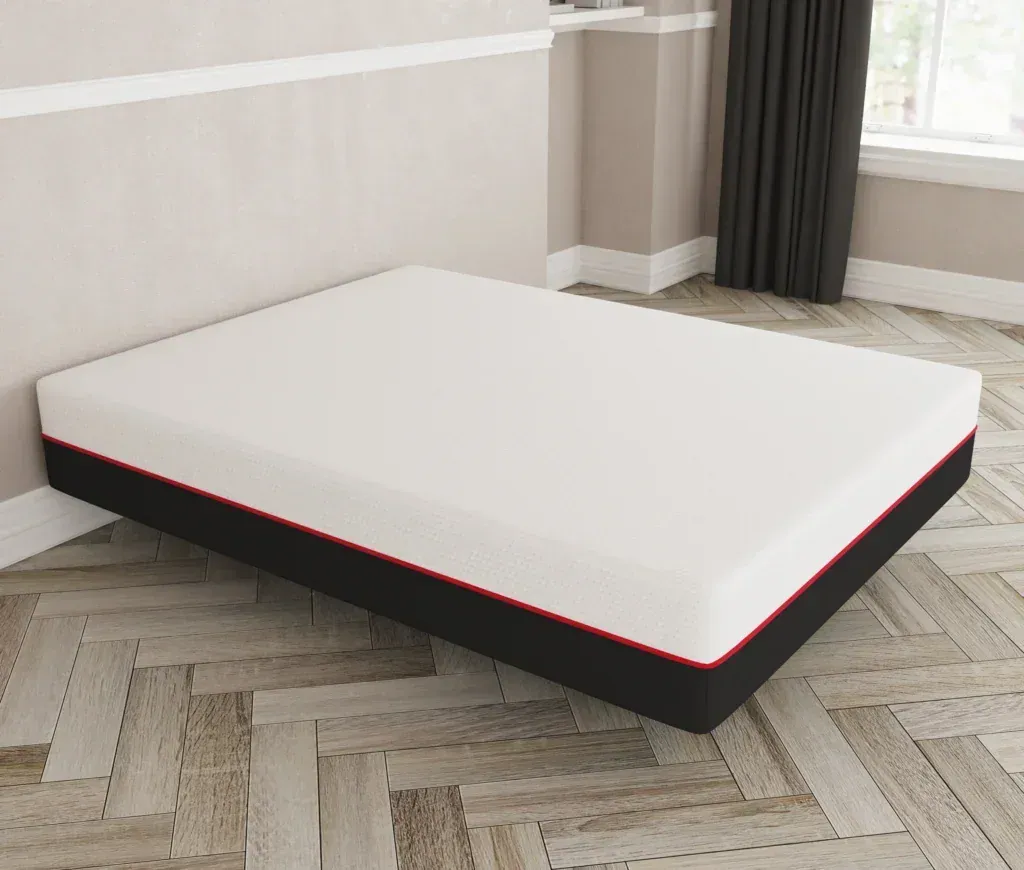
The best mattress is not automatically the firmest, the deepest or the most expensive. It is the one that keeps your body comfortably supported in your usual sleeping position. Start with how the mattress feels, then compare its construction and practical details such as size, turning guidance and care.
Choose support before labels
Side sleepers often prefer enough cushioning for the shoulder and hip, while back sleepers usually need a balanced surface that supports the lower back without feeling rigid. Front sleepers tend to benefit from a firmer, flatter feel. Body weight matters too: the same mattress can feel softer to one person and firmer to another, so labels should be treated as a guide rather than a universal rule.
Understand the main materials
Pocket springs respond independently and can reduce movement travelling across the bed. Memory foam spreads pressure and creates a close, cushioned feel. Natural fillings can offer breathability and a more traditional finish. Many mattresses combine these materials, so look at the whole construction instead of judging one headline feature.
Check the details that affect ownership
Confirm the exact bed size, especially when replacing only the mattress. Read whether it should be rotated, turned or kept one way up, and make sure the room allows you to follow that guidance. A suitable base also matters because damaged slats or an unsupported centre can change how a mattress performs. If two people have different preferences, prioritise steady support and good movement isolation, then use bedding to fine-tune warmth and surface comfort.